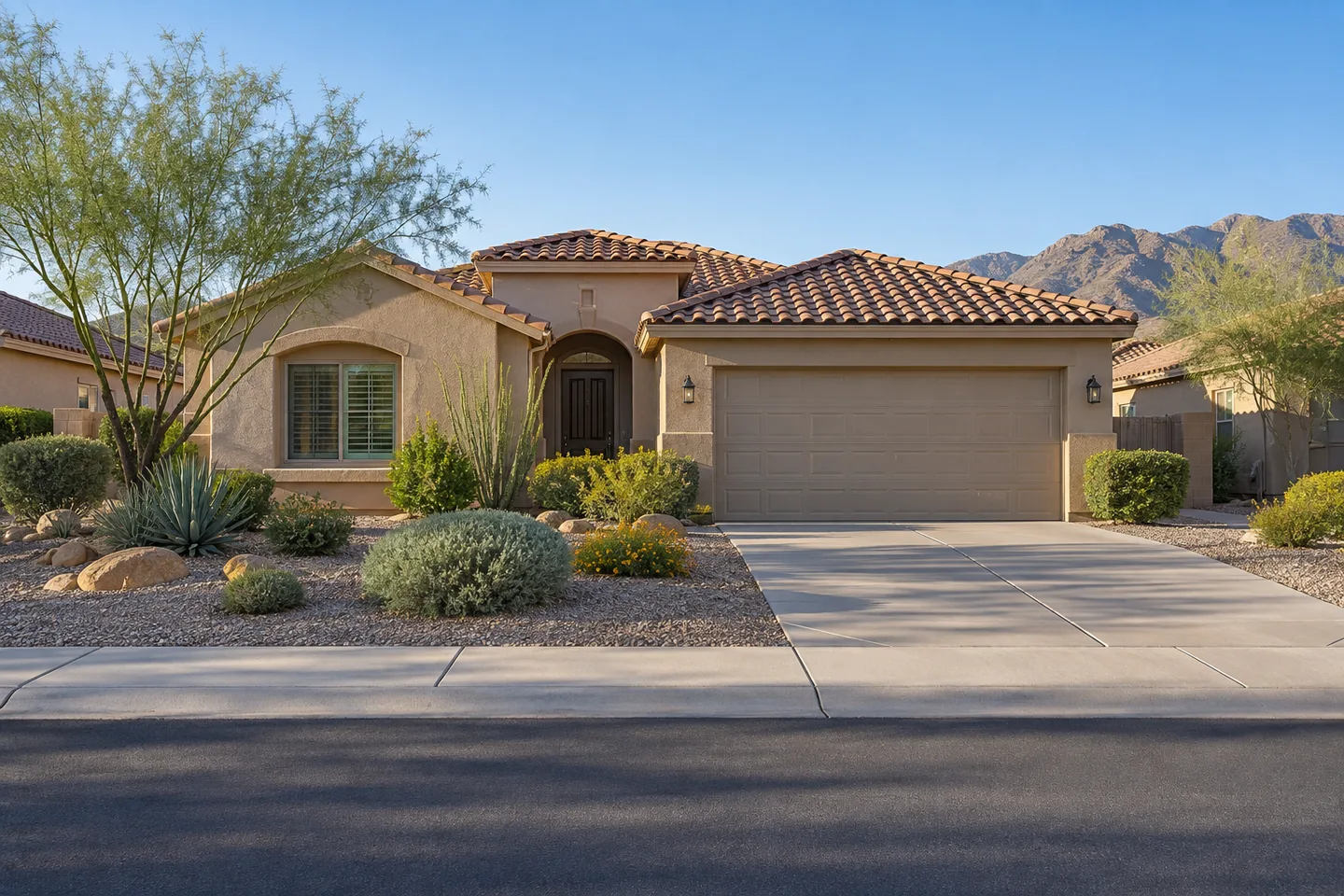
Home Watch is a scheduled visual check of a vacant, seasonal, or temporarily unoccupied property while the owner is away.
The National Home Watch Association describes the service as a visual inspection of a home or property, looking for obvious issues. If the operator observes a problem, the normal role is to notify the homeowner, document the condition, and follow the homeowner's instructions or pre-authorized emergency plan.
For a new operator, the most useful definition is:
Home Watch = observe, document, report, and coordinate.
That sentence should guide the way you design your services, agreement, checklist, insurance, and employee training.
What a Home Watch provider actually does
A visit normally follows a repeatable process rather than an informal “walk around and make sure everything looks okay.”
Depending on the property and agreement, you might visually check:
Exterior
- obvious storm or wind damage
- doors, windows, and screens
- signs of forced entry or vandalism
- standing water or irrigation problems
- visible roof concerns from the ground
- unusual landscaping conditions
- packages, notices, or accumulated flyers
Interior
- unusual odors
- visible water intrusion or stains
- temperature and humidity readings when part of the service
- obvious HVAC failure indicators
- visible plumbing leaks
- toilets, sinks, tubs, or traps according to the agreed checklist
- refrigerator/freezer operation indicators
- pests, droppings, or other obvious infestation evidence
- doors/windows from the interior
- alarm or security status according to procedure
Documentation
A professional visit should leave an audit trail:
- date and time
- who performed the visit
- checklist results
- notes
- relevant photos
- issues found
- communication with the homeowner
- actions taken under authorization
Home Watch is not a guarantee
A Home Watch provider cannot guarantee that a house will never experience a leak, electrical failure, break-in, storm event, or other damage.
A professional service reduces uncertainty by inspecting on a schedule and creating documented communication. Problems can still begin between visits, remain concealed behind walls, occur immediately after a visit, or be outside the scope of a visual check.
Your agreement, marketing, and verbal sales process should avoid promises that imply you can guarantee prevention of damage.
Home Watch vs. a home inspection
A real-estate home inspection usually involves a specialized evaluation associated with a property transaction and may be regulated by state law.
Home Watch is generally recurring monitoring of a property while the owner is absent.
Do not casually advertise yourself as a “home inspector” unless you have verified how that title and activity are regulated where you operate. Use precise Home Watch language such as “scheduled visual property check” or “Home Watch visit.”
Home Watch vs. property management
Property management can involve renting or leasing property, handling tenant relationships, collecting rent, negotiating agreements, or other activities that may be regulated under real-estate or property-management law.
A Home Watch company serving an owner's unoccupied personal residence is not automatically performing property management. But the line can change when you add services.
If you intend to manage rentals, tenants, leases, or rent collection, research the applicable state rules before offering that service.
Home Watch vs. security services
Home Watch can add a visible human presence and may help identify signs of forced entry, but it is not the same thing as a licensed security guard, alarm-monitoring company, patrol service, or law-enforcement function.
Your marketing should not make claims that transform the service into something regulated as private security in your jurisdiction.
If you arrive and observe evidence of a possible break-in, prioritize personal safety and follow the appropriate emergency protocol rather than entering to “clear” the property yourself.
Home Watch vs. repair and contracting work
Finding a leak does not automatically make you the plumber.
Finding an HVAC failure does not make you the HVAC contractor.
Finding electrical damage does not make you the electrician.
A Home Watch operator can often be extremely valuable by:
- noticing the problem,
- documenting it,
- notifying the owner,
- making the property reasonably safe within the agreed authorization and the operator's competence,
- coordinating access for an appropriately qualified vendor.
Do not perform regulated repair work merely because the homeowner is far away and asks you to “handle it.” Confirm whether a license is required.
The difference between observation and diagnosis
Good Home Watch reporting is factual.
Weak:
The HVAC compressor is failing.
Unless you are qualified to diagnose that system, that statement goes too far.
Better:
Interior temperature was 84°F with thermostat set to 76°F. The HVAC system was running, but the indoor temperature had not reached the set point. Homeowner notified at 2:18 p.m.
The second statement records what you observed without inventing a technical diagnosis.
How often are visits performed?
Common frequencies include:
- weekly
- every two weeks
- monthly
- one-time or vacation checks
- additional pre/post-storm visits
There is no universal schedule for every property. Climate, homeowner preference, insurance requirements, home value, equipment, distance from help, and property complexity can all affect cadence.
Do not tell a client that a particular frequency satisfies their homeowners-insurance policy unless the client or insurer has confirmed the policy requirement.
Why the checklist matters
The checklist creates repeatability.
Without one, an operator is likely to check different things on different visits. With a checklist, you can demonstrate a consistent process, train employees, customize the visit for each property, and generate a clear report.
A checklist should still allow professional observation. The fact that “guest bedroom ceiling stain” was not a prewritten item does not mean you ignore it.
A simple scope statement for your early planning
Before you write a full contract, use a sentence like this internally:
We perform scheduled visual Home Watch visits of unoccupied residential properties, document obvious conditions, report concerns to the homeowner, and coordinate authorized next steps. We do not perform licensed inspections, repairs, security services, or other regulated work unless separately qualified and contracted to do so.
Have your final customer-facing language reviewed for the laws applicable to your business.
How to know you understand the business well enough to proceed
You should be able to answer all of these without hesitation:
- What exactly happens during one visit?
- What do you report?
- What happens if you find water on the floor?
- What happens if you see signs of forced entry?
- Which repairs will you personally perform, if any?
- Which services will you coordinate through vendors?
- What do you specifically exclude?
- What information must a client give you before leaving town?
If those answers are vague, keep working on scope before selling the service.
Next step
Estimate what it will cost to launch the business →
Sources
- National Home Watch Association: https://www.nationalhomewatchassociation.org/about-us
- SBA licensing/permit overview: https://www.sba.gov/counseling/launch-your-business/
Finish this step
Ready to move forward?
Mark this guide complete when you have finished the action and saved the records you need.